

Can you give some background on how you got involved with this film?
I was working as a crew member on Season 1 of 1923 in Montana — a five-month project. Around that time, I was selected as an ASC mentee and given the opportunity to pitch a project for the Fresh Perspectives grant. My wife, the writer and director of this project, joined me in Montana. She had previously done work related to human trafficking, and while there, we learned about the disproportionate impact of missing and murdered Indigenous women in the state. Despite making up a small percentage of Montana’s population, Indigenous people account for a significantly higher number of missing persons cases. That's when we decided to tell a story about this issue. Crafting the story in an honest way was a long journey. We worked closely with trusted friends and Native American producers to ensure our portrayal of the community was respectful and authentic.
Tell us about the key gear you used on this project and why you chose it.
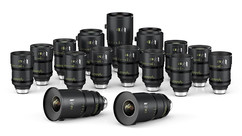
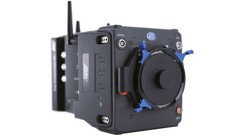
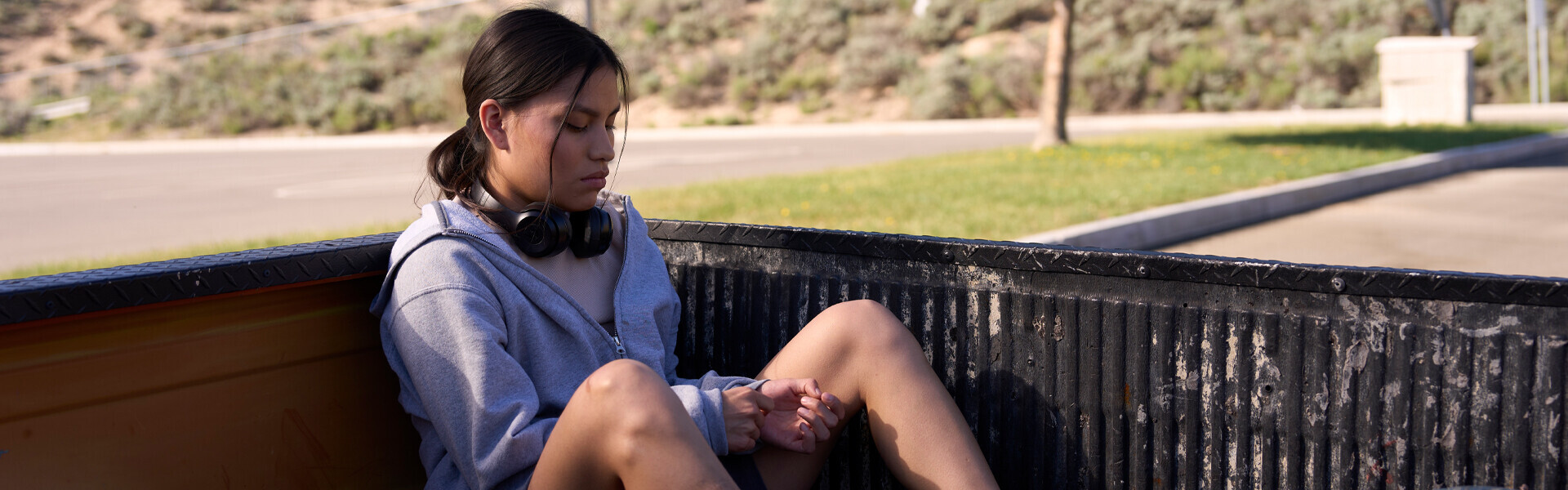
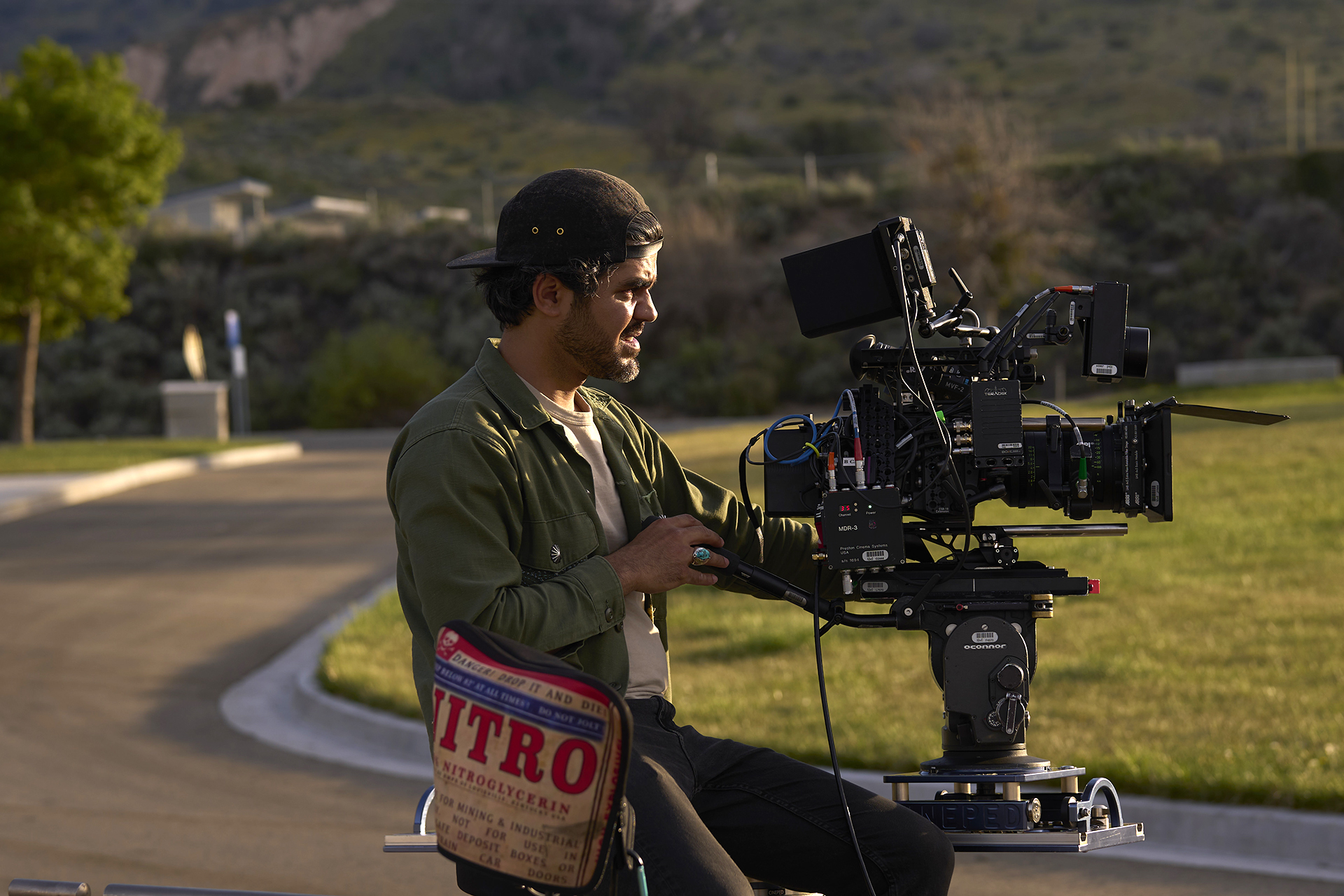
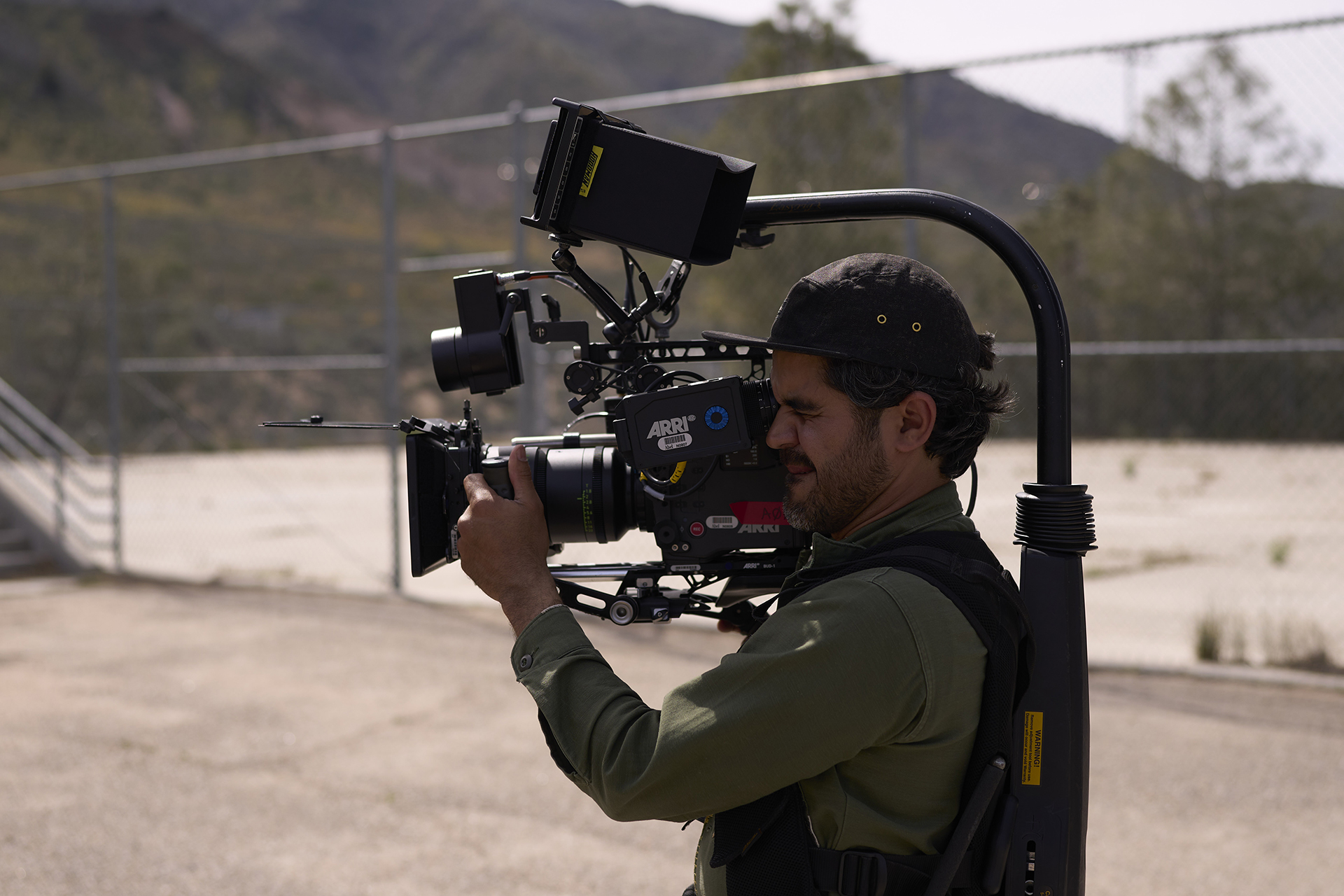
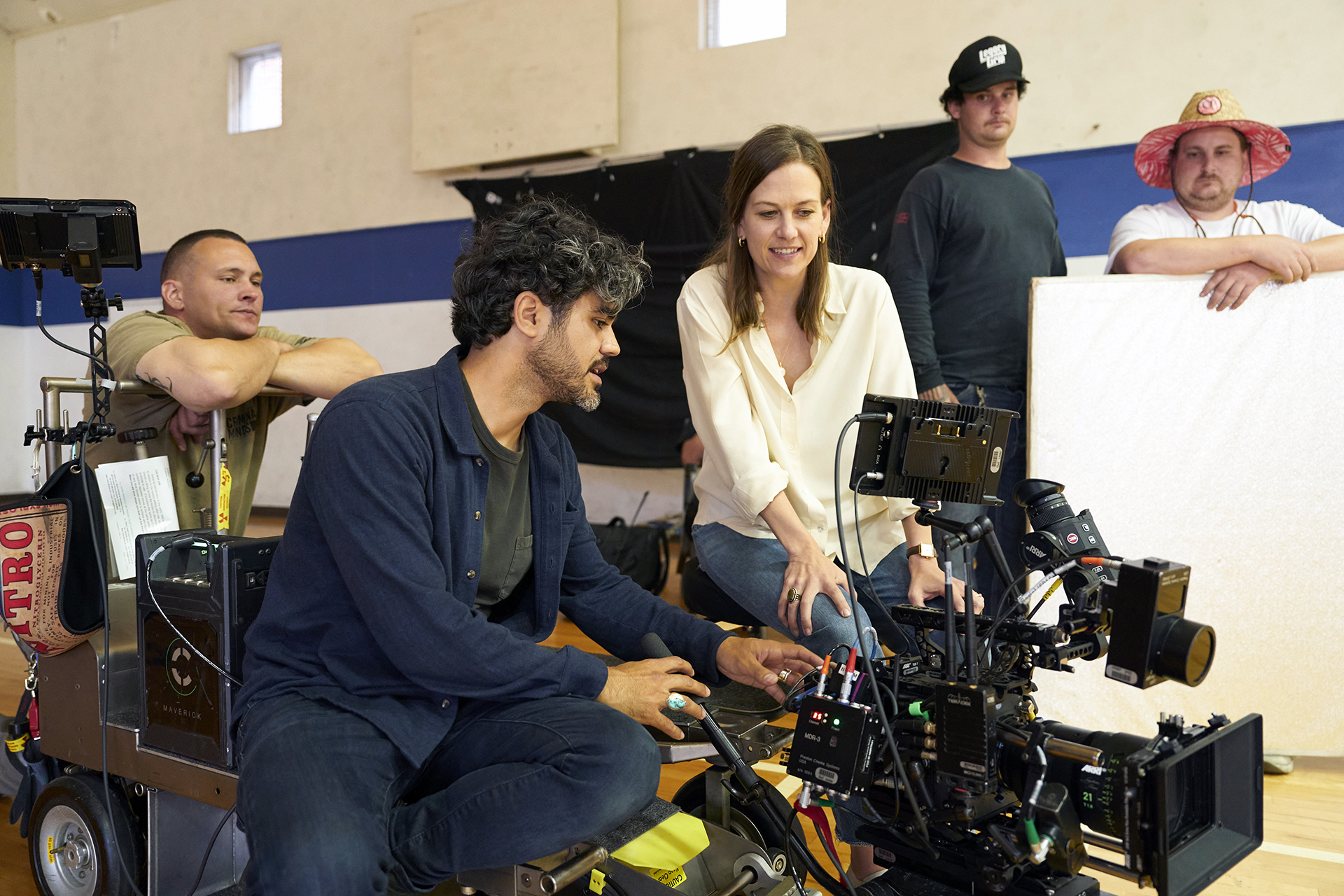
I’ve been working with ARRI for years — I’m the kind of person who uses the same coffee mug every morning and has a favorite pen, so I apply that same consistency to filmmaking. I knew it had to be ARRI. In my previous project, I used Mini LF but knowing that our film deals with a contemporary issue in America, and the ALEXA 35’s higher dynamic range (17+ stops), richer colors, and modern, punchy look made it the right choice. It delivers deeper blacks, more vibrant hues, and a sharp yet organic image. By comparison, the Mini LF has ARRI’s classic, film-like quality with softer highlight roll-off and a more vintage cinematic feel — great for natural skin tones and gentle contrast, but not the aesthetic we wanted. We went with Signature Primes because they deliver a clean, sharp, and natural look — exactly what I love in an image. Paired with the ALEXA 35, it’s a perfect combination: vibrant, detailed, and true to life. There’s really no way to go wrong with this setup. And with a strong final color grade, the footage truly comes together.
With limited resources, I knew lighting would be more about blocking and subtracting rather than adding. So, we kept our lighting package minimal and focused more on grip support. A special shoutout to Marlow R. Nuñez, owner of The Grip House, who provided incredible resources for us.
What was it like shooting with a small crew on location in Montana?
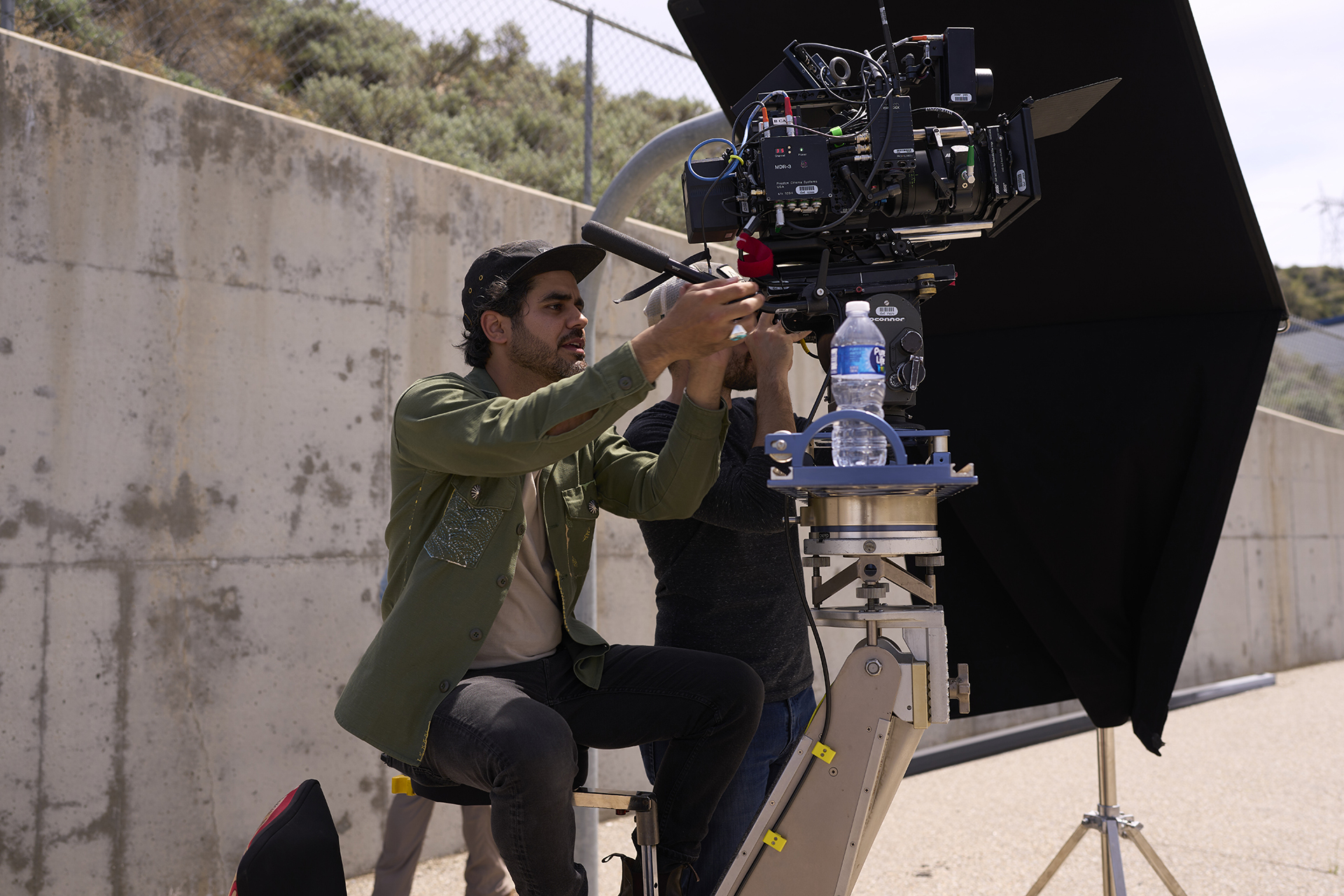
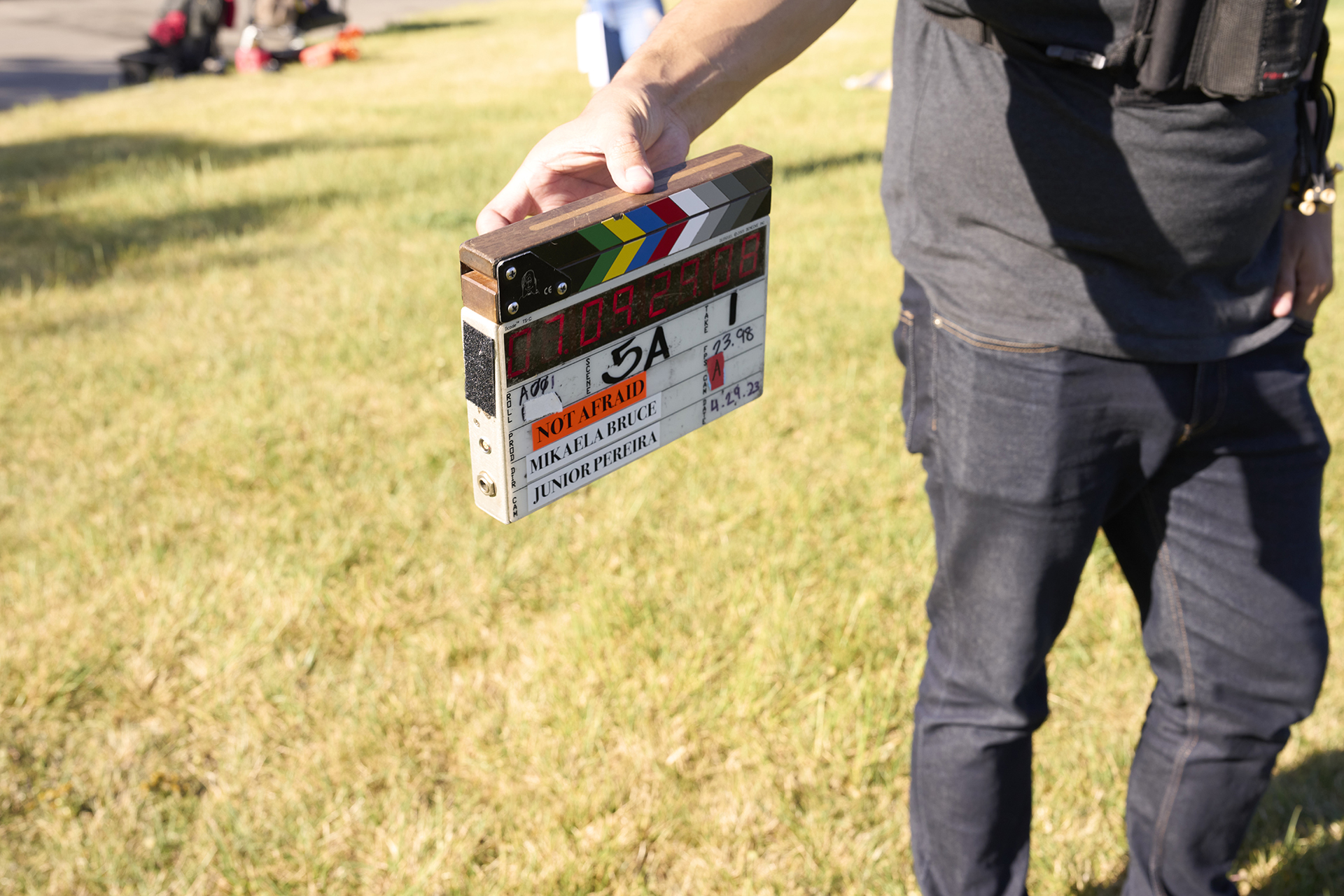
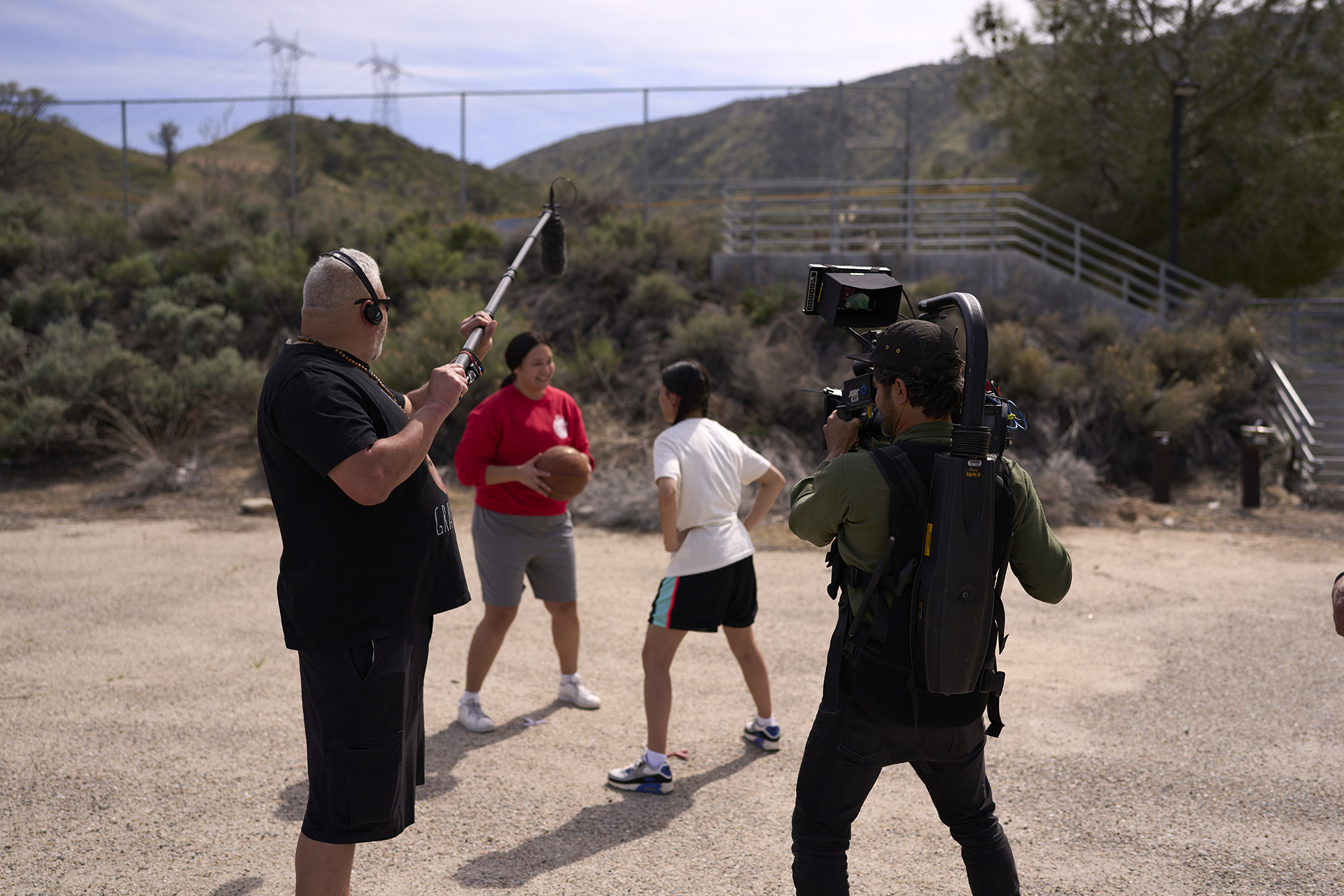
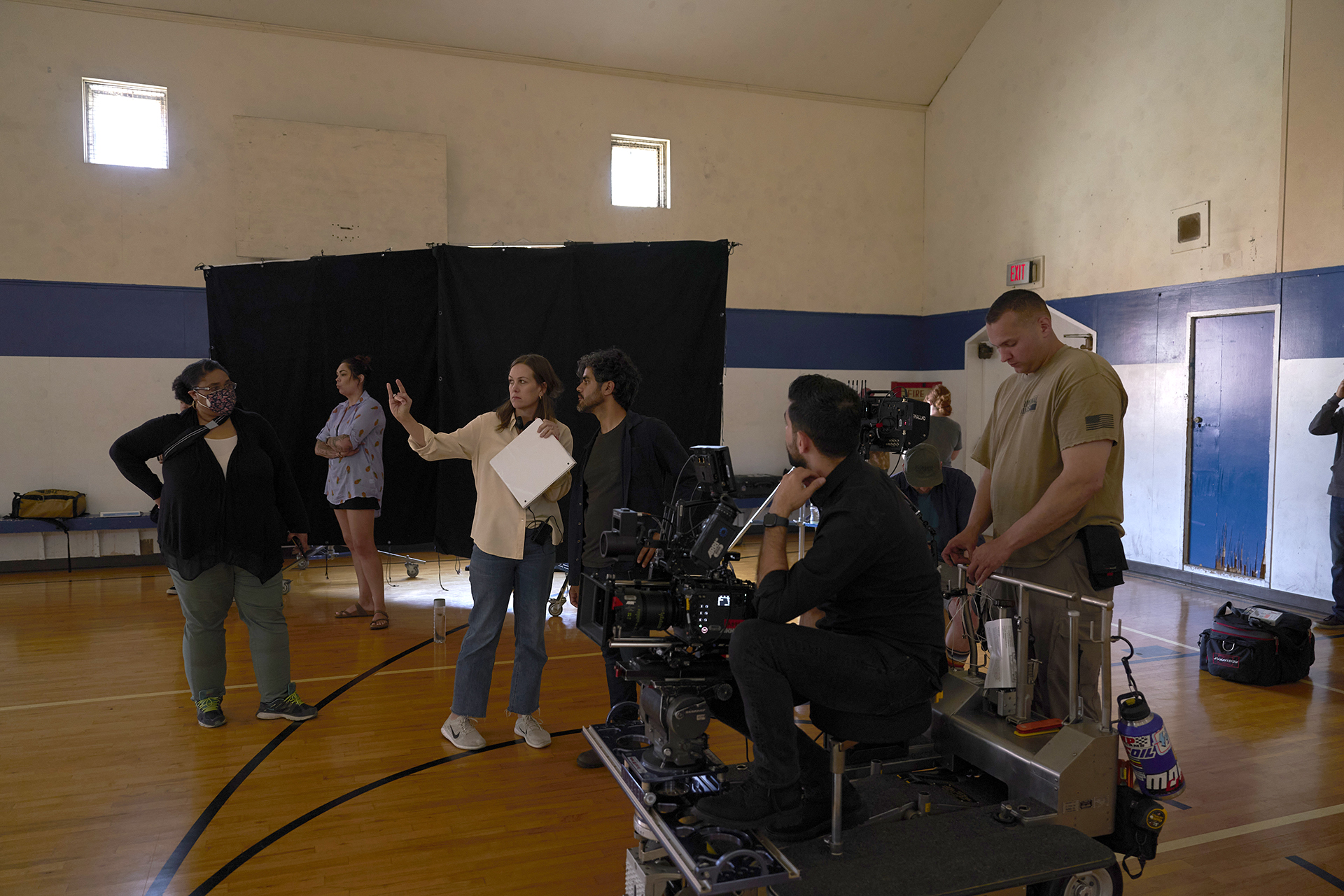
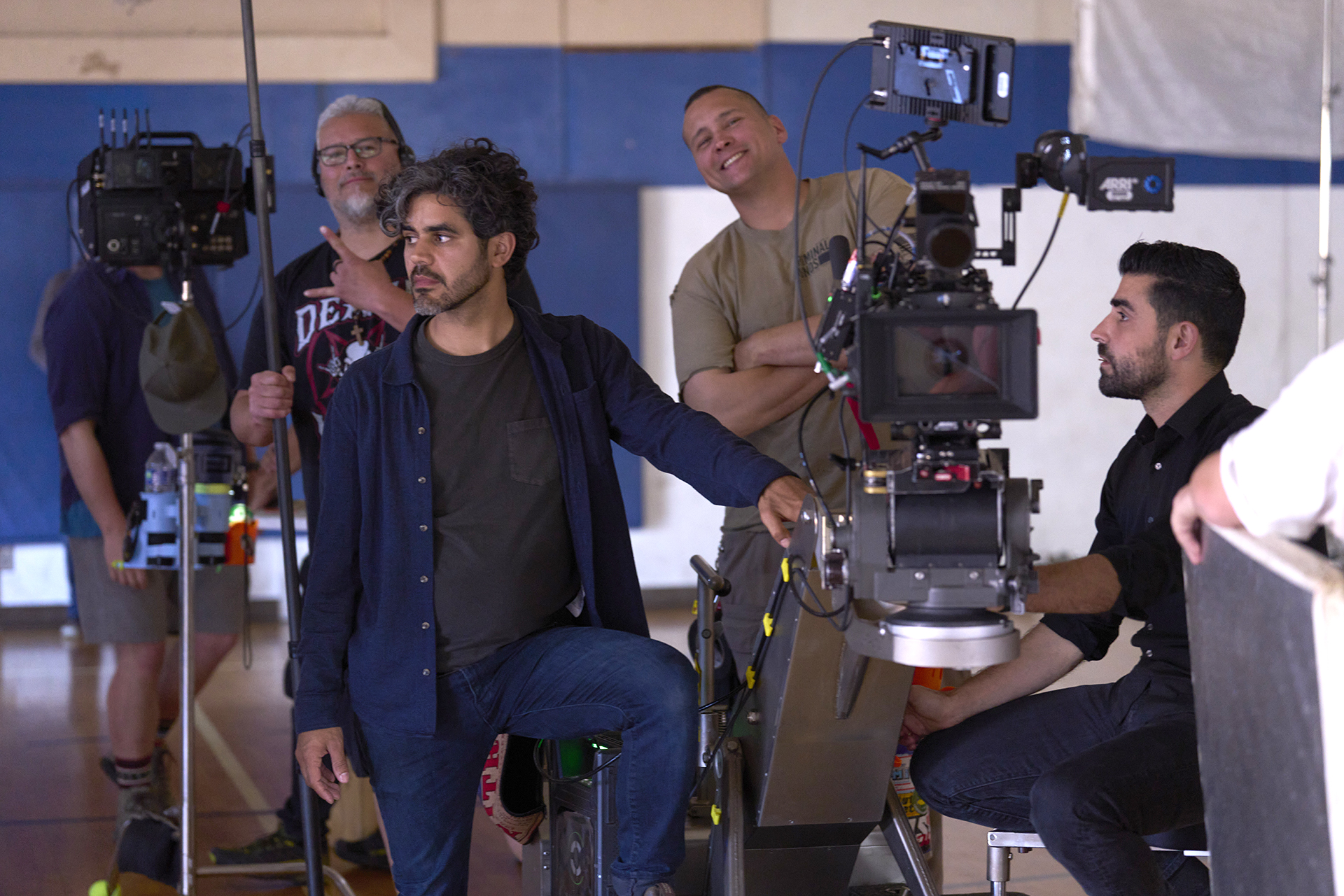
Making this film was an incredible experience. I’m really proud of how we pulled it off — this project happened because we decided to make it happen. Aside from the camera package provided by AbelCine, the rest of the production was a leap of faith. We had so much professional support along the way. Director Mikaela Bruce worked tirelessly and had a very clear, concise vision. The final script was just seven pages, and we scouted our school location three times, even pre-visualizing the film with Cadrage so we knew exactly what to do on shoot day. Ironically, the final scene ended up being a completely improvised shot — my key grip rigged an amazing hood mount for the camera on the spot.
Fun fact: We shot the entire movie in a day and a half. I wish we’d had more time to sit with the story and the team, but it was short, sweet, and incredibly rewarding.
Responses have been lightly edited for grammar and clarity.
The Fresh Perspectives in Cinematography Grant is presented in partnership with ARRI and The ASC. Get more details on the grant and learn about Junior along with the other 2023 recipients.
Behind the Scenes
 |
 |
 |
 |
 |
 |
 |
 |